Botox and fillers are both injectables, but they do opposite jobs. Botox relaxes the muscles that create movement lines; dermal fillers add volume to restore shape. Here is a plain comparison of what each treats, what they cost in Malta, how long they last, and when combining the two makes sense.
Botox and fillers are both injectable treatments, but they do opposite jobs. Botox relaxes the muscles that create movement lines on the upper face, like forehead and frown lines. Dermal fillers add volume to restore the cheeks, lips, and structure. Botox softens expression; fillers rebuild shape. Many people in Malta use both.
You probably typed "botox vs fillers malta" into your phone late one evening, somewhere between a photo you did not love and a friend who looks suspiciously well-rested. You are not confused about whether you want to feel better in your own face. You are confused about which injectable does what, what each costs, and how to avoid getting the wrong one. That is a fair place to be. The two treatments get talked about as if they are interchangeable. They are not. This guide is a plain comparison of Botox and fillers for anyone considering anti-wrinkle treatment in Malta, written so you walk into a consultation already knowing the right questions to ask.
How Botox Works
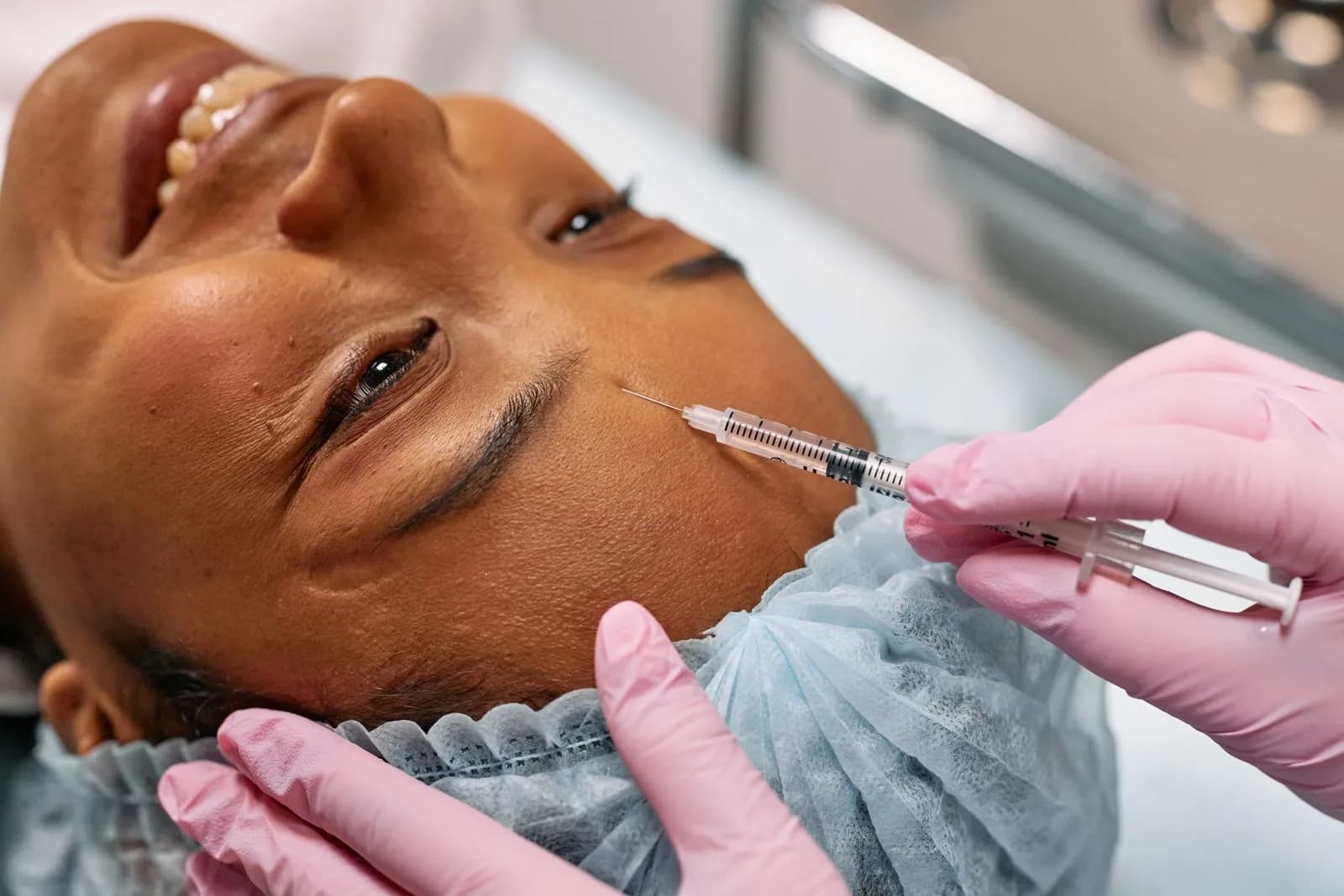
Botox is a purified protein, botulinum toxin, that temporarily relaxes a treated muscle. When the muscle moves less, the skin above it creases less, and the lines caused by that movement soften over the following days.
This is why Botox works on dynamic lines, the ones created by expression: horizontal forehead lines, the vertical "11s" between the brows, and crow's feet at the corners of the eyes. It does not fill anything and does not add volume. If a line is already etched into the skin at complete rest, Botox alone will soften it but may not erase it.
Results appear gradually. Most people notice a change within three to seven days, with the full effect around two weeks. According to the International Society of Aesthetic Plastic Surgery, botulinum toxin injection is consistently the most performed non-surgical aesthetic procedure in the world, which tells you something about how routine and well understood it has become.
The frozen, expressionless look that still haunts the Botox conversation is two decades out of date. That was the product of too much, placed badly. Done well, Botox should make you look rested, not blank. There is a rather large difference. Our honest guide to Botox in Malta goes deeper on dosing and what to expect.

How Dermal Fillers Work
Dermal fillers do the opposite of Botox. Instead of relaxing a muscle, they add volume. Most fillers used in Malta are made of hyaluronic acid, a substance your skin already produces, formulated into a smooth gel and placed under the skin to restore or reshape an area.
Fillers address static concerns, the ones present even when the face is still: thinning lips, flattened cheeks, a softened jawline, deep nasolabial folds, and hollowing under the eyes. They restore the structure that volume loss takes away over time. Collagen production declines by roughly 1% a year after the age of 25, and that gradual loss is what filler is designed to give back.
Placement matters more than product. Natural-looking results are not achieved by using less filler; they are achieved by knowing exactly where in the tissue to place it and how the face moves across different expressions. The lower and mid-face are the usual territory: lips, cheeks, chin, and jaw.
One reassuring detail for first-timers: hyaluronic acid fillers are reversible. If a result is not right, the enzyme hyaluronidase can dissolve it. That safety margin is a genuine differentiator from permanent fillers, which Carisma Aesthetics does not use. Our complete dermal fillers guide covers product types and longevity by area in more detail.
Botox vs Fillers: Key Differences
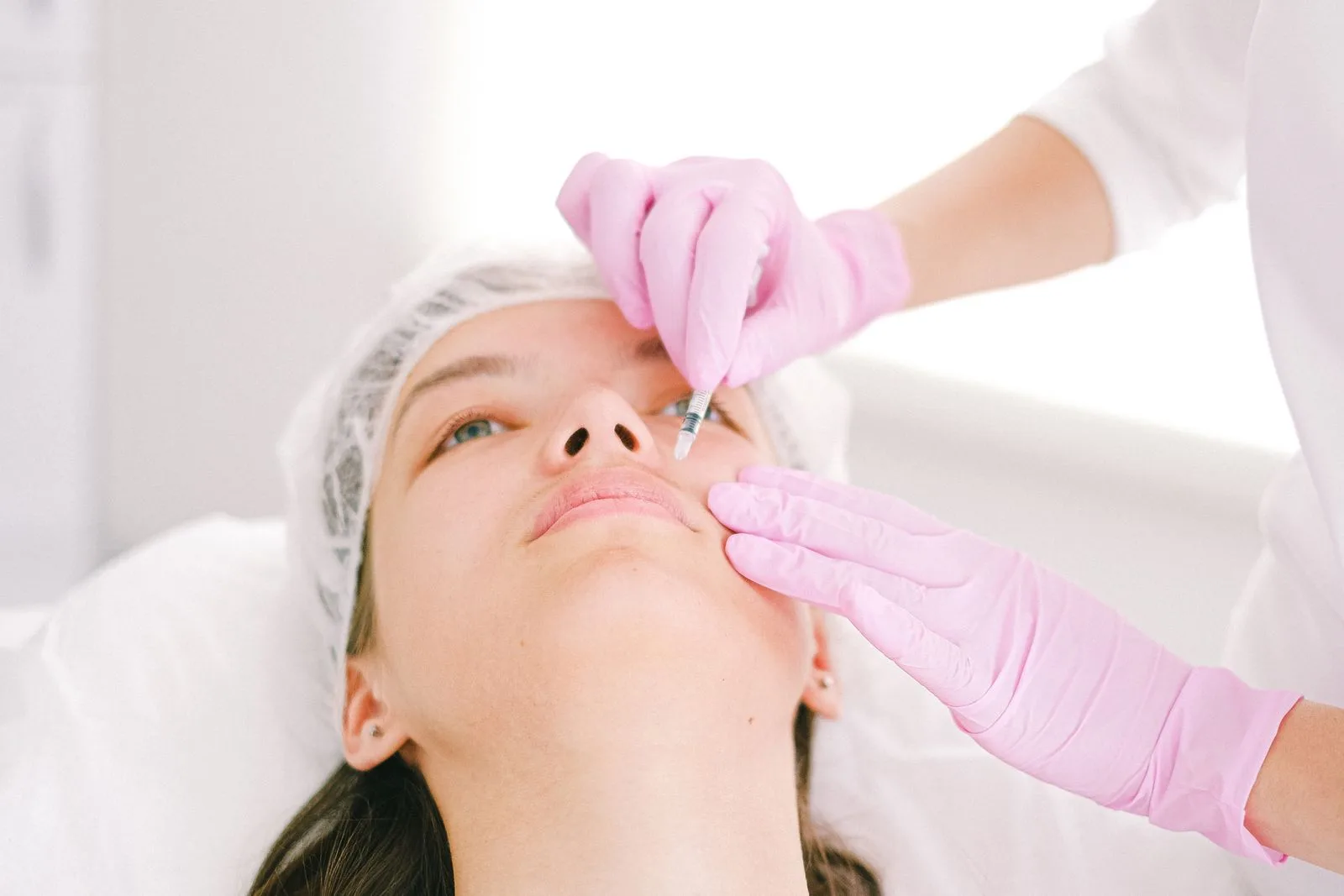
The simplest way to hold the difference in your head: Botox stops movement, fillers add volume. One calms the muscles that fold the skin. The other rebuilds the structure underneath it. Here is how they compare across the things that actually matter when you are deciding.
- Main purpose, Botox relaxes muscles to soften movement lines; fillers add volume to restore shape and structure.
- Best for, Botox: dynamic lines (forehead, frown, crow’s feet); fillers: static concerns (lips, cheeks, jaw, folds).
- Main ingredient, Botox: botulinum toxin (prescription-only); fillers: hyaluronic acid gel.
- Face area, Botox is mostly upper face; fillers are mostly lower and mid-face.
- Results visible, Botox: 3 to 7 days, full effect at 2 weeks; fillers: immediately, settling over 1 to 2 weeks.
- Results last, Botox: 3 to 4 months; fillers: 6 to 18 months depending on product and area.
- Reversible? Botox: no (wears off naturally); fillers: yes (dissolved with hyaluronidase).
- Downtime, both minimal; fillers may cause short-term swelling.
Bottom line: if the concern moves when your face moves, think Botox. If the concern is there when your face is at rest, think filler. Most faces, looked at honestly, have a bit of both, which is why so many treatment plans use the two together.

When to Choose Botox, Fillers, or Both
The right treatment depends entirely on what is bothering you and where. Here is the honest decision logic a good practitioner uses, so you can start narrowing it down before you ever sit in the chair.
Choose Botox if your main concern is lines that appear or deepen when you make an expression. Do you frown when you concentrate? Does your forehead crease when you raise your eyebrows? Crow's feet when you smile? That is dynamic, and Botox is the tool. It is also a preventative choice: treating lines in your early thirties slows them from becoming permanent creases later.
Choose fillers if your concern is shape or volume. Lips that have thinned, cheeks that have flattened, a jawline that has softened, or under-eye hollows that make you look tired no matter how much you sleep. Filler rebuilds structure. For most people that means dermal fillers in Malta for the mid-face, or lip fillers in Malta specifically.
Choose both if you have a combination, as most people over 35 do. The thing to know is that there is no single correct answer here, and a clinic worth trusting will sometimes tell you that you need less than you think. Carisma's position is plain: when we do not believe a treatment is right for you, we say so. Results may vary for each individual, which is what a free consultation is for, where this gets worked out for your specific face.

Can You Combine Botox and Fillers?
Yes, and it is one of the most common approaches. Because Botox and fillers solve different problems, they tend to make each other look better. Filler restores the volume that age and gravity reduce. Botox relaxes the muscles that fold skin into lines. Together they address both layers of how a face ages, rather than just one.
A typical combination in practice might be Botox to soften forehead and frown lines, plus filler to restore cheek volume and refresh the lips. Both can usually be done in the same appointment, which means one trip and one recovery window rather than two.
The combination is also where the "natural" result lives. A face treated only with filler can look full but still tired around the eyes. A face treated only with Botox can look smooth but still hollow. Balancing the two is the difference between looking treated and looking like yourself on a very good week.
This balance is exactly what a proper consultation is for. The aim is never to do everything at once. It is to follow the sequence your face actually needs, often starting conservatively and reviewing how your skin responds before adding more.
Botox vs Fillers Cost and Longevity in Malta
Cost is the question everyone has and few clinics answer plainly, so here are honest ranges for Malta. Botox typically starts around €150 to €250 per treatment area. A hyaluronic acid filler typically ranges around €300 to €500 per syringe. These are guide ranges; the final price depends on how many areas are treated and how much product is used, which is why an exact quote only comes after an assessment.
The longevity difference changes the maths. Botox lasts three to four months, so most people maintain it three to four times a year. Filler lasts six to eighteen months depending on the area, with denser products in the cheeks and jawline lasting longest and lips at the shorter end. So while filler costs more per session, you need fewer sessions, and the annual cost of the two is often closer than the headline price suggests.
One warning belongs in any honest Malta guide: be wary of unusually low prices. Botox is a prescription-only medicine here, and a price that looks too good usually means a corner has been cut somewhere, in the product, the oversight, or the qualification of the person holding the syringe. According to the UK's NHS guidance on dermal fillers and Botox, choosing an experienced, qualified practitioner is the single most important factor in staying safe.
Carisma Aesthetics has earned 150+ five-star reviews on an island of just over half a million people. When results are visible, word travels fast. On a small island, results are our marketing, so we plan accordingly.

How to Choose a Qualified Injector in Malta
Whichever treatment you choose, the qualification of your injector matters more than the brand of product or the price on the menu. This is the part of the decision that protects you, and the part marketing rarely talks about.
Both Botox and fillers should only be administered by a medically qualified practitioner: a doctor or an appropriately trained nurse prescriber with specific training in facial anatomy and aesthetic medicine. A certificate in beauty therapy is not the same thing. Facial anatomy is unforgiving, and the under-eye and nose areas in particular carry real risk in untrained hands.
Three questions are worth asking before any first appointment:
- Who is injecting me, and what is their medical qualification? You want a name and a credential, not a brand.
- Is the Botox prescribed for me specifically? It is a prescription-only medicine in Malta, so it should be.
- What happens if I do not like the result? For hyaluronic acid filler, the honest answer involves hyaluronidase, the enzyme that can dissolve it.
A good clinic answers all three without hesitation and treats the consultation as a conversation rather than a sales call. That is the standard any anti-wrinkle treatment in Malta worth booking should meet, and the standard Carisma Aesthetics holds itself to.
FAQs About Botox vs Fillers in Malta
Is it better to get Botox or fillers?
Neither is better in general; they treat different concerns. Botox is the right choice for dynamic expression lines on the upper face, such as forehead lines, frown lines, and crow's feet. Dermal fillers are the right choice for lost volume and static concerns, such as thin lips, flat cheeks, and deep folds. The better treatment is simply the one that matches your specific concern, and a consultation with a medically qualified practitioner will confirm which that is. Results may vary for each individual.
Which is cheaper, Botox or fillers?
Botox is usually cheaper per session. In Malta a single Botox area typically starts around €150 to €250, while one syringe of hyaluronic acid filler typically ranges around €300 to €500. Fillers cost more upfront but last longer, so over a full year the difference narrows. Your final cost depends on how many areas are treated and how much product is needed.
Can you get Botox and fillers at the same time?
Yes. Botox and fillers are frequently performed in the same appointment because they address different concerns and complement one another. Botox relaxes the muscles that create movement lines, while filler restores volume and structure. Combining them in one visit means a single recovery window. Your practitioner will confirm whether treating both on the same day is appropriate for you.
What lasts longer, Botox or fillers?
Fillers generally last longer than Botox. Botox results typically last three to four months, extending toward four to six months with consistent treatment over time. Hyaluronic acid fillers typically last six to eighteen months depending on the product and area, with cheek and jawline fillers lasting longest. How quickly each wears off varies with individual metabolism.
Does Botox or filler help with under-eye bags?
Under-eye hollows and dark circles caused by volume loss are usually addressed with carefully placed tear trough filler, not Botox. Botox does not restore volume, so it is not the right tool for hollowing under the eyes. Tear trough filler is one of the most technically demanding placements on the face and should only be performed by an advanced, medically qualified injector. A consultation will confirm whether you are a suitable candidate.
Are dermal fillers and Botox safe?
Botox and hyaluronic acid fillers have a long record of safe use when administered by a medically qualified practitioner trained in facial anatomy. Botox is a prescription-only medicine in Malta. Hyaluronic acid fillers are also reversible with the enzyme hyaluronidase, which adds a safety margin. Temporary side effects such as minor bruising and swelling can occur and usually resolve within days. Your practitioner will assess your suitability and explain aftercare during a consultation.
The Clearest Next Step
If you have read this far, you are not really deciding between Botox and fillers anymore. You are deciding whether to ask someone qualified to look at your face and tell you honestly what would actually help. That is what a consultation is for, and at Carisma Aesthetics it is genuinely a conversation, not a commitment. Come in, ask the questions you have been saving, and we will tell you plainly what we think will work for your skin, your features, and your goals, even if the answer is "less than you expected."
Beautifully yours,
Sarah
Medically reviewed by the Carisma Aesthetics Medical Team. Published 30 June 2026. Last updated 30 June 2026. Carisma Aesthetics is Malta's top-rated aesthetics clinic with 150+ five-star reviews, part of the Carisma Wellness Group, which has operated across Malta for 25+ years. All injectable treatments are administered by medically qualified practitioners. This article is general information and does not replace a personal medical consultation. Results may vary for each individual.
Sources: NHS guidance on dermal fillers and the ISAPS Global Survey on Aesthetic/Cosmetic Procedures.
Related Treatments


